Comparing Emotional Discomfort to Having to Pee
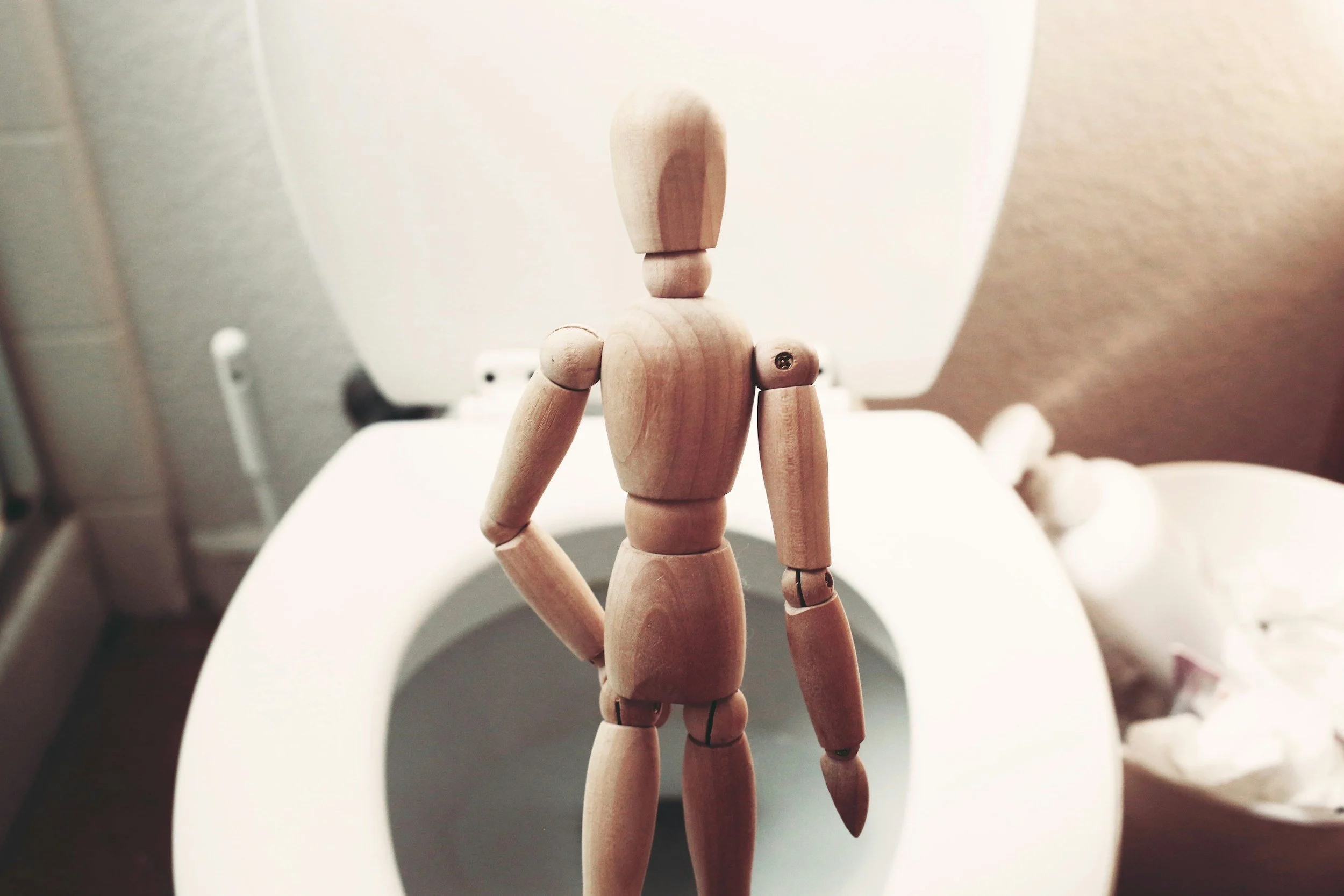
Ok, hear me out. Most people I know have been potty trained, which means we were taught how to recognize the sensation of having to pee and then finding a place to “express” said pee. Most of the time it’s in a toilet/urinal, or sometimes it’s in nature, or it’s in a bottle if need be. No matter what, we learned to recognize the discomfort of needing to pee with having to take care of that need. Plus, most places (including our homes), have at least one place to take care of alleviating the discomfort of that sensation.
For this thought experiment, let’s say we’ve all been potty-trained in a supportive manner by our caregivers.
We may feel:
more panic if we’re asked to hold our pee
embarrassed if we’ve peed our pants
frustrated that needing to pee is interrupting our creative flow state
…but for the most part, we notice the sensation and decide when to take care of ourselves. So the initial sensation of needing to pee may elicit additional sensations due to secondary panic, embarrassment, frustration, etc., related to the environment we’re in.
The Sensation Can be Neutrally Uncomfortable, but it’s not Good nor Bad
Emotions and sensations related to emotions are information that our bodies usually gather in the background. This is why we can get so focused on something external, and then we check back in with our body and realize the need-to-pee sensation has been building in the background, which means we need to go ASAP.
However, we’re a species that contains multitudes, which means we’re not simply bladders filling up and releasing pee. We have nerves, muscles, skin, bones, organs…so oftentimes we’re a jumble of sensations building up in the background. Our thoughts can exacerbate or alleviate the sensations as well! We can hear water running or dripping, which can cause us to start to feel the need to pee. This is a neutral cause-and-effect, but we often place a lot of judgment on the sensations we experience related to emotions like fear, sadness, and anger.
We Are So Externally Stimulated, We Miss Sensations Until They Hit Crisis-Level
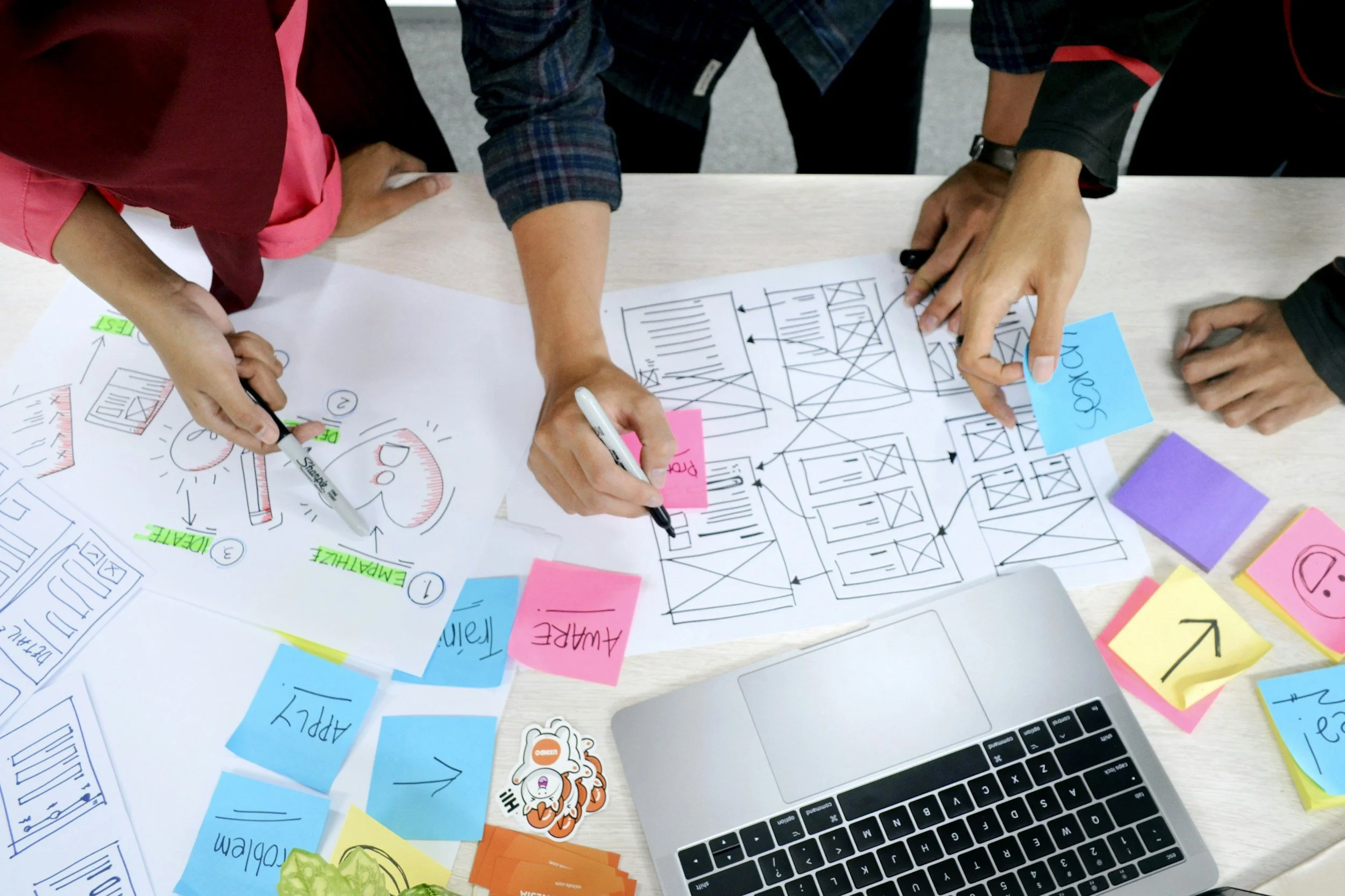
Ah yes, the elusive flow state we yearn to reach whenever we can actually initiate a task. We don’t want to transition between external stimuli to check in with our internal sensations that may tell us to take a break. In the time of doom-scrolling, we’ve often dissociated into the void of short-form media until we’re several hours past needing to stretch our stiff muscles, hydrate ourselves, and give our eyes a break from consuming the backlit rage bait…often leading to our breathing to get shallow, and our jaws, necks, and/or shoulders to tense up, which drains our energy.
I was raised in the American public school system in the early 2000s. Taking the pee metaphor literally, when we started school, a pee break during class was often a luxury. As someone who was a middle school substitute teacher ten years ago, I get it. You can’t have 8 kids out at once. You can’t pause your lesson when kids go to pee, so you often have to catch them up. However, as a kid, the restraints around bathroom breaks can cause even the neutral, early-taught sensation recognition to twist into judgment.
The people-pleaser developing within me would often direct all my energy toward being a “good student,” and my young brain concluded that having to pee often irritated teachers enough that it wasn’t worth asking. Thankfully, I had some pretty great teachers to balance out this thought, and I felt relaxed enough to ask them whenever I needed to. But I still struggled with transitioning between focusing on a task to make a teacher happy and checking in with my own internal sensations. The only emotion I ever validated within me was the shame I felt whenever I witnessed a teacher’s disappointment in me. But other than that, feelings got in the way of completing schoolwork.
This conclusion my young mind made caused me to rarely validate any feeling I had. I would seek out the answer from other people on what was “appropriate” to feel in the moment. I was a floating head shackled to a body that was developing severe anxiety and depression. This body frustrated me because it was getting in the way of me doing the things other people wanted me to do! See the full-circle moment of pushing down all sensations leading to more emotional distress?
Final Pee Analogy Thoughts
Holding pee for too long can cause UTIs, bladder infections, and kidney problems. This leads to needing longer recovery. Holding our emotions in for too long can cause the development of chronic physical conditions due to the tension we subconsciously hold during the build-up of uncomfortable sensations linked to emotions. Unlike the peeing sensation being taught to us and having a pretty structured routine of taking care of our bladders, sensations related to most other things can feel more confusing to us. Plus, a lot of us have been taught to constantly work, so we are beginners when it comes to taking care of the other sensations coming into our bodies. I’ve noticed a lot in media where someone is experiencing a big feeling and doesn’t want to make a big scene, they will go to the bathroom. It’s the location we go to take care of the basic bathroom needs, so why not take care of other bodily sensations there too?
While you don’t need to take care of your emotions in a bathroom, I’m sure a lot of people are like “how do I even start to take care of the emotional sensations?”
NOTICE: Where is your awareness? You often can’t focus on reading AND on what your body feels. Take a second to place your focus on a part of your body.
PAUSE: Take a deep breath and take some time to recalibrate. It can be weird to transition from our head to our bodily sensations. Continue to focus on the body part you’ve chosen. The sensation may stay the same or shift in the next minute.
COLLECT: Gather information! You may hear judgmental thoughts cross your mind of the bodily sensations being good or bad, but for now we just want to gain more knowledge. How are you sitting/standing/moving? How’s your breathing?
TRY: You’re not going to get it right every time, but that doesn’t mean you shouldn’t try something to help take care of the uncomfortable sensation you may be noticing. Some things to start with:
Stretching - doesn’t have to be a huge stretch! Can even be slowly rolling your head to stretch your neck to start.
Shaking - shake your hands our for 10 seconds, or put on a song and shake your arms as well to a beat.
Breathing - take slower deeper breaths to tell your body that we can’t solve it all this moment and to get more oxygen into your body to help with stored tension.
These examples aren’t going to take ALL of the discomfort away, but they’re also practices to try and incorporate more often so that you know you can apply them when you’re in more stressful scenarios. Often, the intensity can only be lowered, not eliminated. I know we have lots of different sensations and emotions to navigate, and it’s worth it to take some time to practice observing them and taking care of them.